You’re 19. You walk into a bank, ask for a card, and the clerk taps at a keyboard for a bit. Then comes the head shake. No credit history. You’ve never missed a payment on anything, but that doesn’t count, because nobody ever reported it. Kind of unfair, right? It’s how the system works, though. You need credit to get credit. The best credit cards for beginners with no credit exist to get you past that wall. Banks approve you with a blank file, the fees stay low, and every on-time payment gets reported to the credit bureaus. I’ll walk through the card types, a few names worth a look, and the habits that keep you out of trouble.
What “No Credit” Really Means
First, a quick fix on words. Having no credit isn’t the same as having bad credit. Bad credit is a history of late payments. No credit is an empty page. A lender looking at an empty page can’t tell if you’re careful or careless, so it plays safe and says no.
Your page is kept by Experian, Equifax, and TransUnion. It gets its first line when a lender reports an account in your name. FICO generally wants about six months of that account being open before it gives you a score, so expect to wait. Credit cards for no credit history are the fastest door in. The best credit cards for beginners with no credit just make the wait cheaper.
Types of Starter Credit Cards
Three kinds cover most of the best credit cards for beginners with no credit.
Secured Credit Cards
A secured credit card wants cash first. Put down $200, and your limit is usually $200. That deposit is the bank’s safety net, and it’s why approval is so common. Pay on time for a while, and some issuers give the money back and upgrade you. If a regular card has already said no, this is where I’d look.
Student Credit Cards
College students get their own group. Limits run low, but issuers know you’re young and your file is thin, so they plan for it. A few of these cards throw in cash back on everyday spending.
Unsecured Starter Cards
No deposit needed. Some banks will do this even with no history at all. The limit starts small, and the interest rate can sting. If you pay the full bill every month, you’ll never see that rate anyway.
Best Credit Cards for Beginners With No Credit to Check First
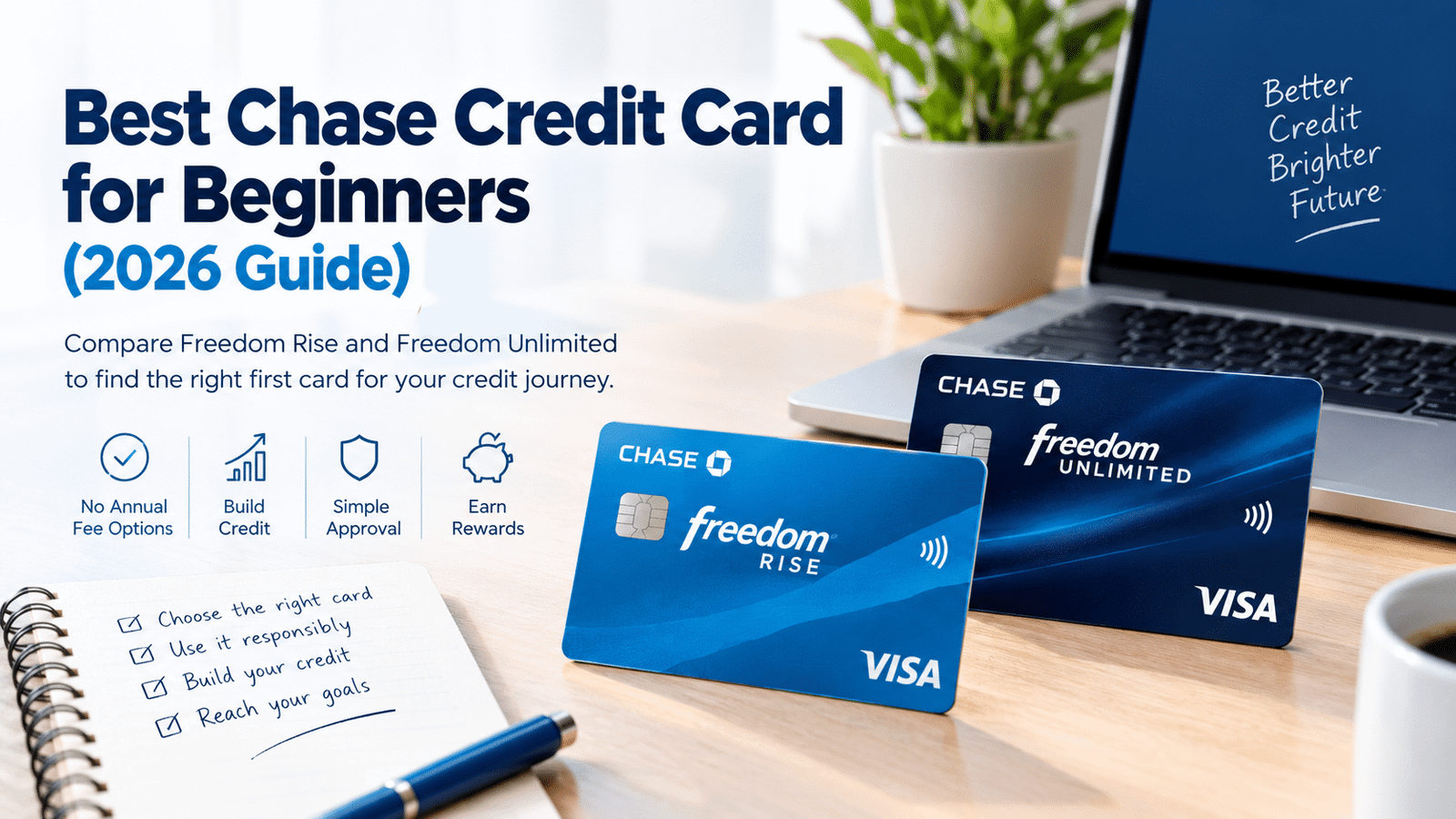
None of these fit everyone and offer change, so check the bank’s current terms first.Chase Freedom Rise is unsecured with no annual fee and a flat 1.5% cash back. No credit history needed. Chase may also move you up to a better card later.Capital One Platinum takes limited, fair, or no history and charges no annual fee. It pays nothing back. Honestly, that’s fine for a first card. Building credit is the job.
If you need a deposit card, Discover it Secured pays cash back, which plenty of secured cards skip. Capital One’s Secured Mastercard has no rewards and no annual fee, reports to all three bureaus, and can raise your limit after five on-time payments. Students can look at Discover It Student Cash Back.
Among the best credit cards for beginners with no credit, I’d go unsecured first. Denied? A secured card builds credit the same way. It just takes a bit more cash up front.
How to Pick the Right Card for You
Start with the annual fee, and for a first card that number should be $0. After that, confirm the bank reports to all three bureaus. If it doesn’t, you’re paying on time for nobody. Interest rate is third on my list when you compare the best credit cards for beginners with no credit, since it barely matters if you clear the balance monthly. It matters a lot if you won’t.
Walk away from setup fees and monthly fees. And try to find a card with an upgrade path, meaning a higher limit or a better card after six to twelve months. You skip a second application that way. More options are in our guides to the best credit cards for beginners, including other no-annual-fee credit cards.
How to Use Your First Card the Smart Way
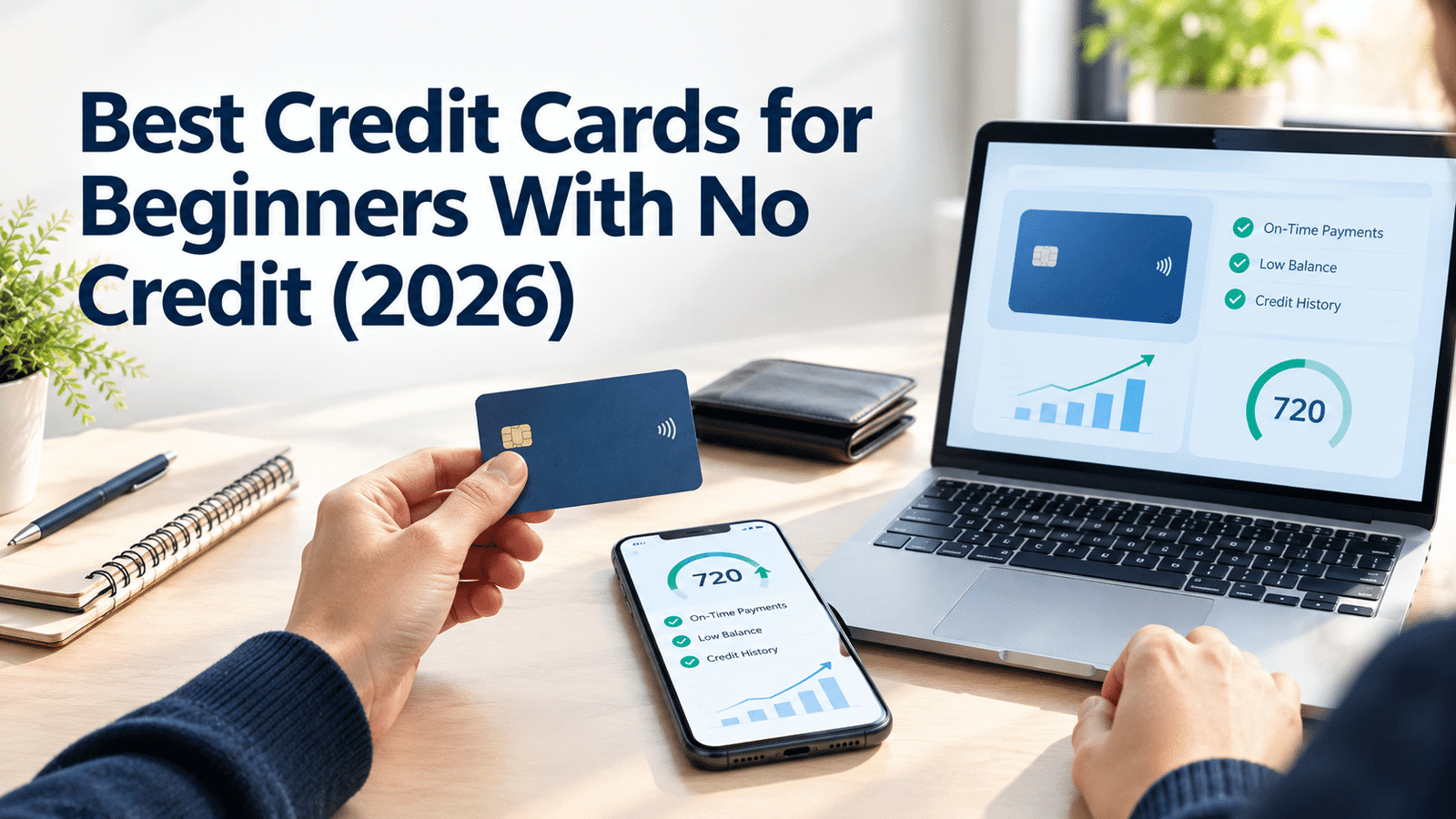
Even the best credit cards for beginners with no credit do nothing if you pay late. Payment history is the biggest slice of a FICO score, 35%, so one missed date really does show. Set autopay for the minimum at least. Pay the whole balance when the bill comes. No interest, no drama.Keep your balance low too. Most experts say under 30% of your limit. On a $300 limit, that’s $90, and lower is better.
What should you actually buy? Something boring that repeats. A $15 streaming plan works. Let autopay take care of it and forget it. The limit isn’t your money. The Consumer Financial Protection Bureau explains scores in plain English on its page about credit reports and scores if you want the longer version.
Mistakes That Hurt New Credit
Applying for five cards in one month is the classic move. Every application can leave a hard inquiry, and a bunch at once looks jumpy on a thin file. One card. Wait for the answer. Then think.Maxing it out is the other one. A limit feels like extra cash, but a full card drags your score down and racks up interest fast.
And look at your reports. Errors do happen. AnnualCreditReport.com is the official free source. Check a few months in and make sure your new account actually shows up.
Your Next Step
So pick one card from the list, read the terms, and apply. Turn on autopay the same day. That’s really all; how to build credit from scratch looks like it at the start. If you want more help choosing, FinanceCash has more on the best credit cards for beginners with no credit. Pay on time, be patient, and check back in six months.
FAQ
Can I get a credit card with no credit history?
Yes. The best credit cards for beginners with no credit are secured, student, or unsecured starter cards, and all three accept a blank file. Approval isn’t promised, but these are the ones built for you.
What is the easiest credit card to get with no credit?
Usually a secured credit card, because your deposit covers the bank’s risk. Pick one with no annual fee that reports to all three bureaus.
How long does it take to build credit with a first card?
About six months to see a first score. A year or more of on-time payments and low balances is when it really starts to help.
Is a secured or unsecured card better for a beginner?
Unsecured, if a bank will approve you because you keep your cash. If you get denied, go secure and don’t overthink it.